The Danes are, overwhelmingly, a happy bunch. In fact, if you believe those contentment surveys that come out every couple of years, Denmark is one of the happiest nations on earth with some of the best quality of life.
It’s not hard to see why. Denmark’s hydrocarbon-rich economy is booming; it has the highest per capita GDP in the European Union (EU); literacy is 100%; unemployment is low; and its social-welfare programmes are the envy of continents. Education is free, and about half of all Danish students who graduate from secondary school continue on to higher education.
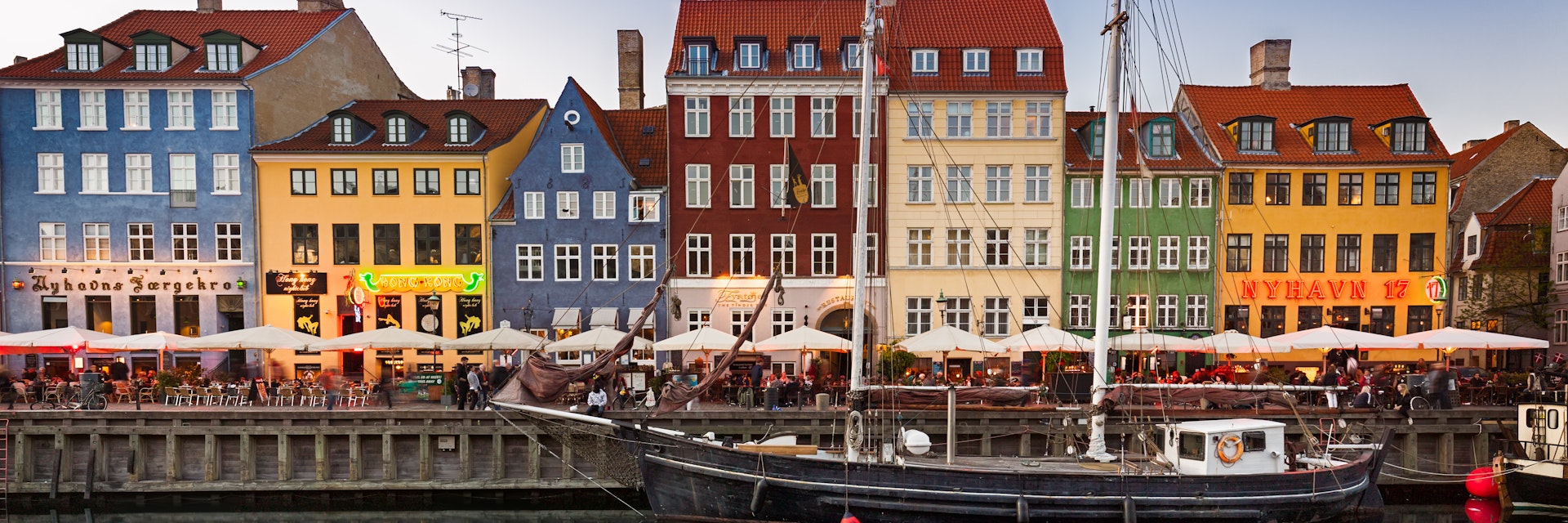
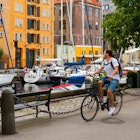
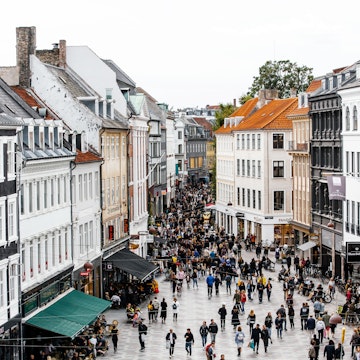
You don’t need statistics to understand the Dane’s happy lot, though. Stroll around Copenhagen or pretty much any Danish town and you’ll experience some of the most harmonious civic spaces anywhere. The capital’s intimate scale and faultless transport systems combine with the ornate history and bold modern lines of the built environment to delight the eye, while the locals’ courtesy and sense of humour is refreshing.
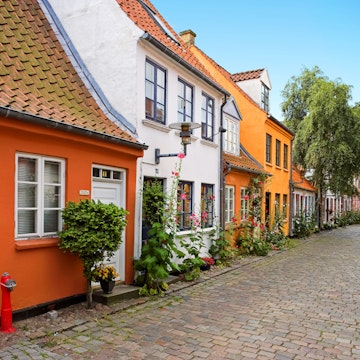
Along winding cobbled streets Danes shop and dine at some of the most exciting places in Europe. Copenhagen’s restaurants have more Michelin stars than any other Scandinavian city, and Denmark as a whole would doubtless have more still if the inspectors from Michelin ever troubled themselves to leave the capital. Even standards in a workaday Danish café are generally very high.
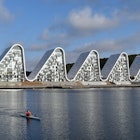
Denmark continues to stamp its effortlessly cool style on the world with its furniture, fashion, architecture and graphic design, as it has done for the last half-century or so. This obsession with good design, detail and fine craftsmanship is evident even in something as mundane as a Copenhagen metro or train ride.
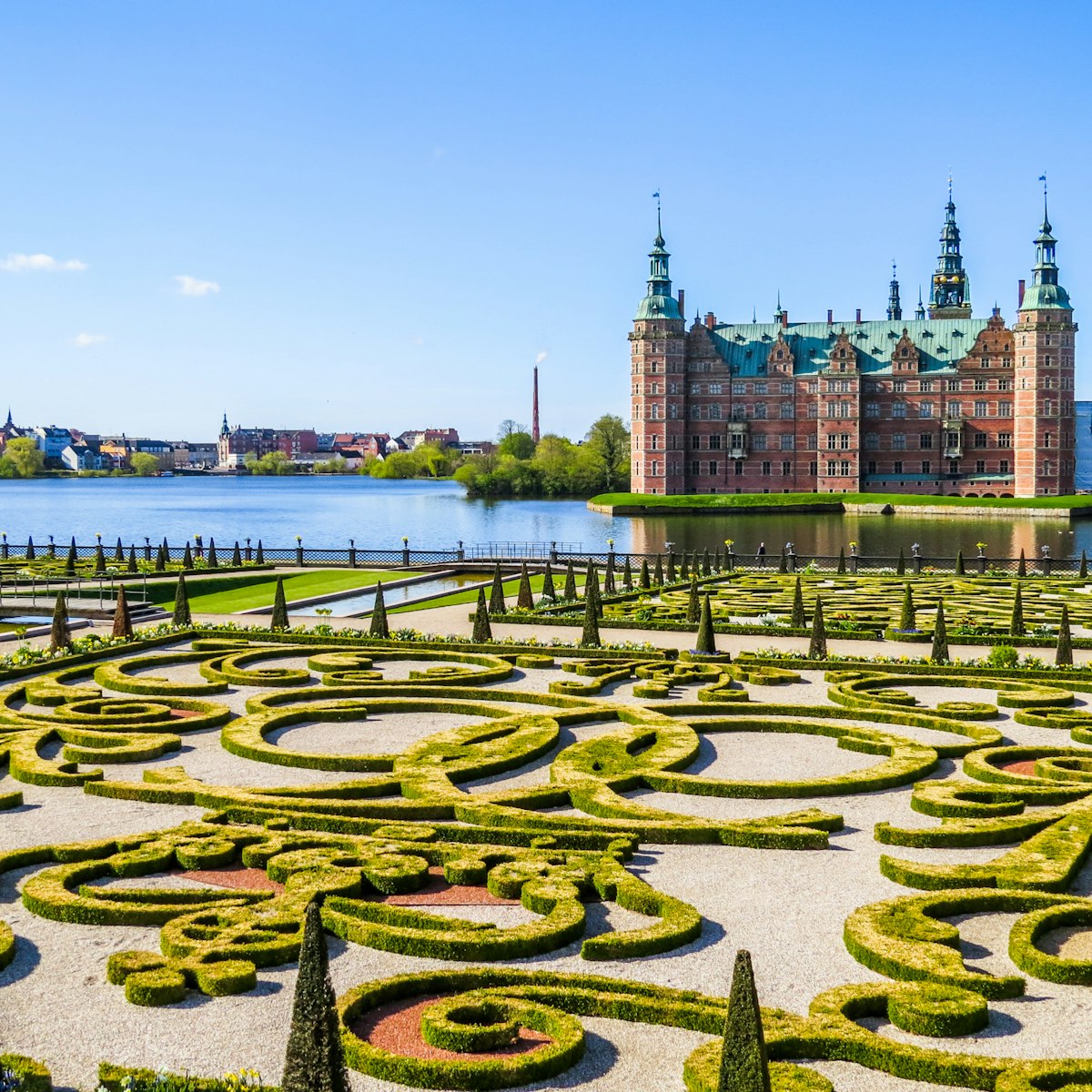
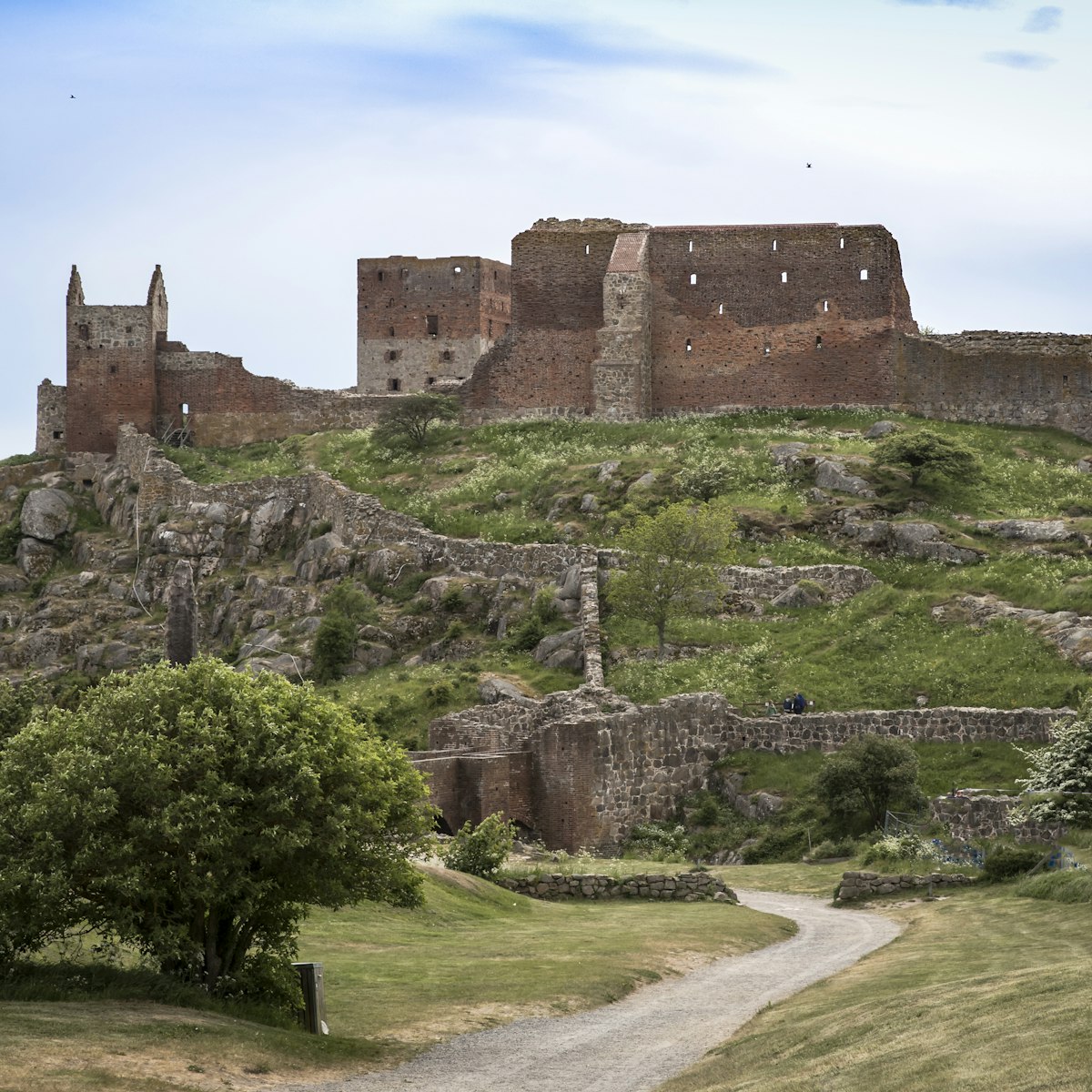
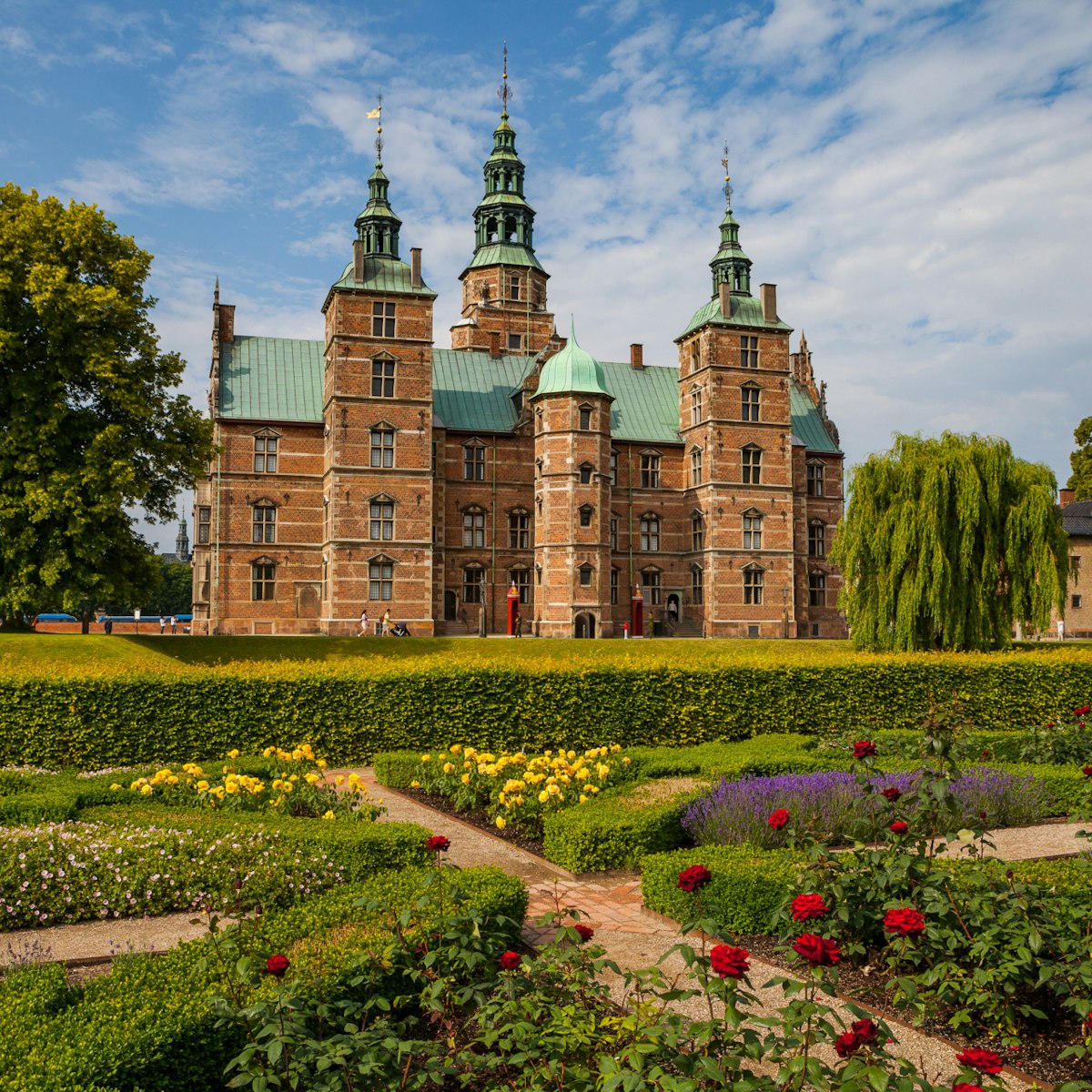
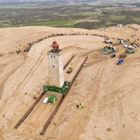
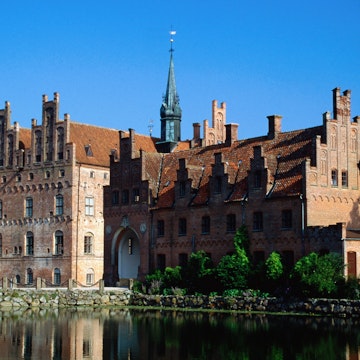
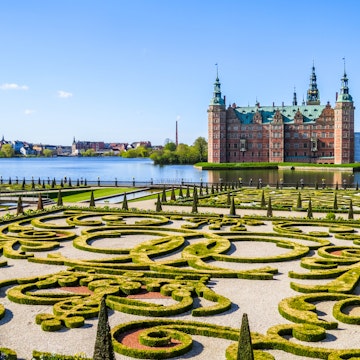
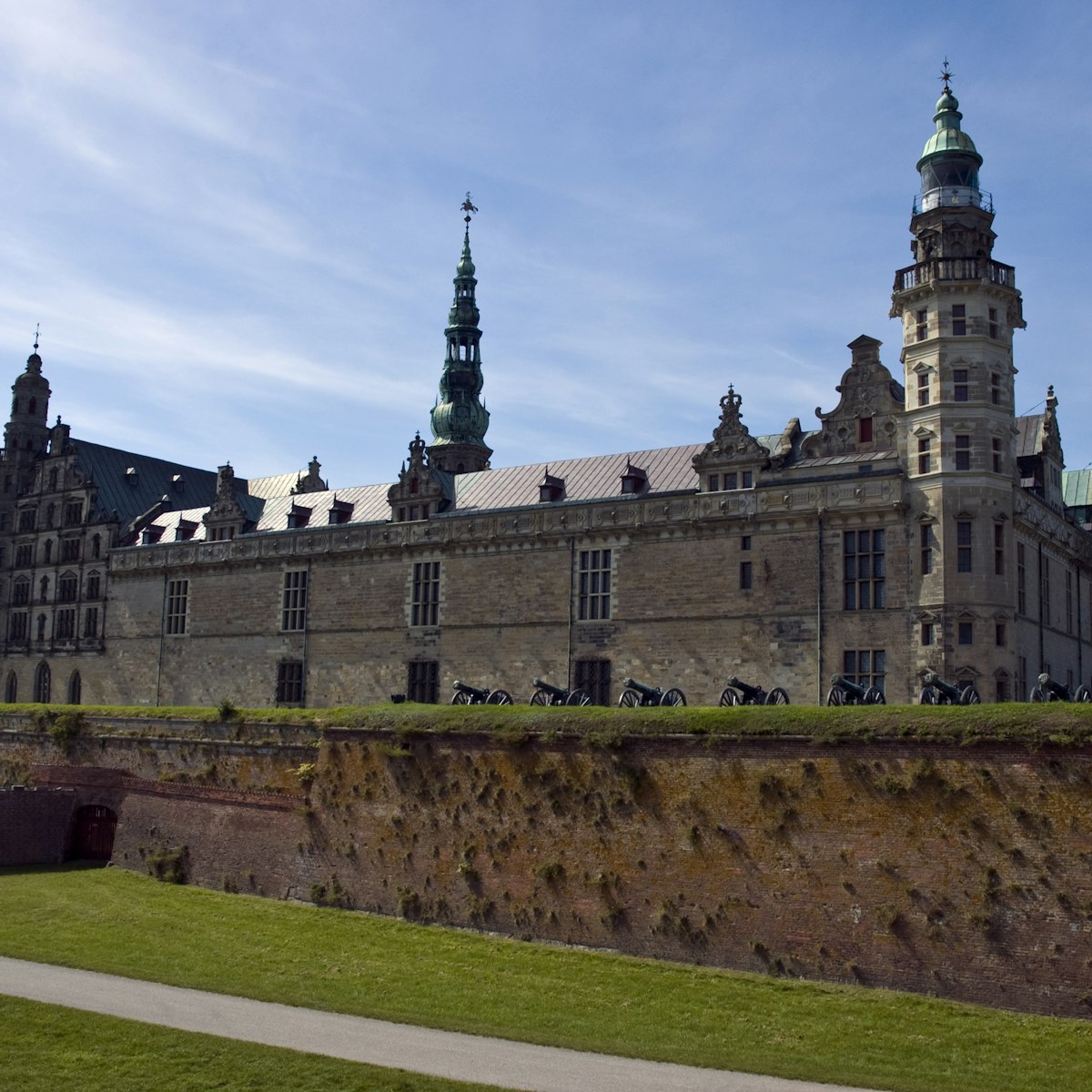
Beyond the capital, Denmark offers a mix of lively cities, rural countryside, medieval churches, Renaissance castles and tidy 18th-century villages. Neolithic dolmen, preserved 2000-year-old ‘bog people’, and impressive Viking ruins are just some of the remnants of the nation’s long and fascinating history.
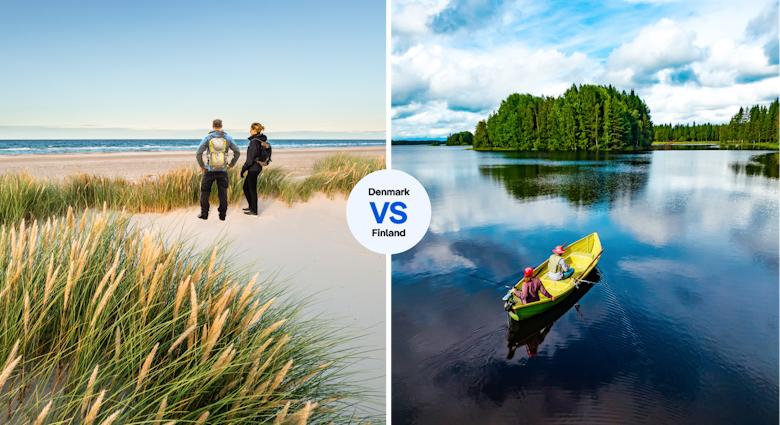
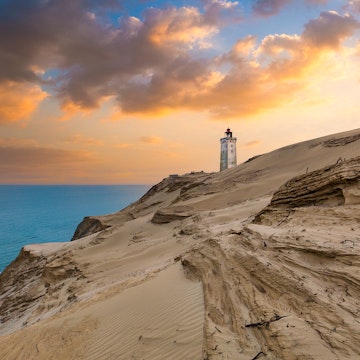
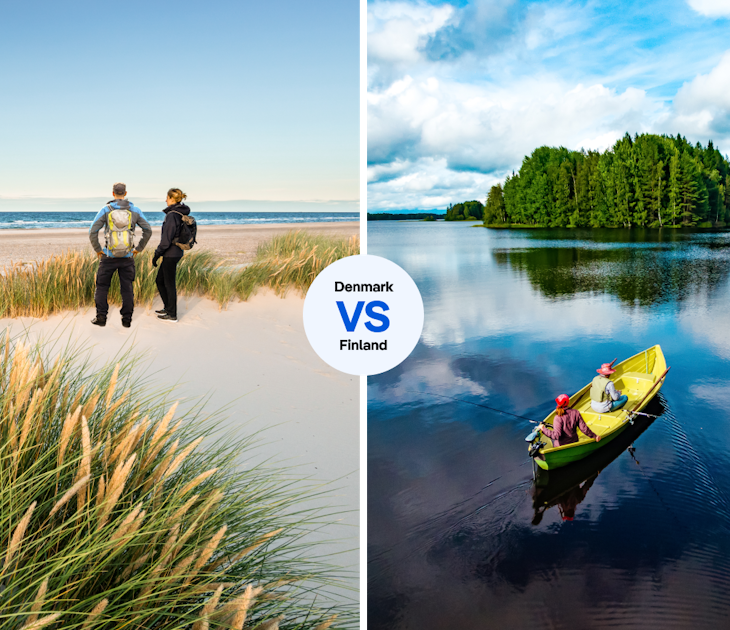
Centuries on from the Viking era, Denmark remains very much a maritime nation, bordered by the Baltic and the North Sea. No place in the country is more than an hour’s drive from its lovely seashore, much of which is lined with splendid white-sand beaches.
It’s hard, in short, to find fault with the place. The visitor’s most heartfelt grumble is usually the cost of visiting Denmark. True, it is not a cheap destination, but no more so than the UK, and which nation’s public transport system would you rather use?
Cheer yourself up by thinking of the country’s peerless organisation and clockwork railway timetable as being subsidised by the extremely high taxes paid by your hosts. When viewed in this way, this first-rate destination seems like good value, and you get the fairy tales thrown in for free: the Danish royal family is genuinely loved and respected by the vast majority of its citizens, not least handsome Prince Frederik, his beautiful Australian-born princess-bride, Mary, and their young family.
Look a bit closer, however, and as in a Hans Christian Andersen fable you’ll find a darker side, too. Less-happy events have been intruding on the country’s orderly perfection of late. The last few years have been turbulent ones – by Danish standards anyway – in the social and political realms. Not unlike other European nations, there’s been a gradual shift to the right in this famously liberal nation. Concern has grown over immigration – particularly immigration from Muslim countries – and an erosion of traditional values.
These issues were brought into sharp and tragic relief in 2006 when Denmark became the villain in the eyes of many Muslims around the world, when a local newspaper printed cartoons of the prophet Mohammed. Although the pictures were not intended to be insulting in their nature, the very act of depicting Mohammed broke a serious taboo. It sparked a firestorm of deadly rioting in which mobs trashed several Danish consulates around the world.
It was a reminder that, for all the talk of assimilation and the comprehensive state effort to achieve it, serious racial, cultural and religious fault lines and prejudices remain. This challenge to tolerance has un-nerved many Danes, who have had to confront an underlying resentment at non-European newcomers. Racism, half-hinted at by the phrase ‘second generation Danes’ (used to describe nonwhite, non-European citizens) is the elephant in Denmark’s living room.
In 2007 three nights of rioting in Copenhagen, during which 600 people were arrested, made more ‘man-bites-dog-style news’ around the world. Although it wasn’t quite the urban Armageddon that some US news channels suggested, the burning of a local youth centre that had been closed by the city government and the resulting demonstrations by youths and left-wingers was unprecedented, and a reminder that discontent and disaffection lurk just beneath the surface. Cosy consensus, it seems, is less of a sure bet these days.
Cynics will add that the reason the Danes are so content with their lot is because they have such low expectations of life, and that their supposedly equitable high-tax welfare state is grounded in a national psyche defined by resentment of anyone who is seen to get above another.
While there may be some truth in such observations, all in all this is rather exaggerated carping. The fact is that Denmark remains a remarkably blessed country.
Last updated: Oct 3, 2008